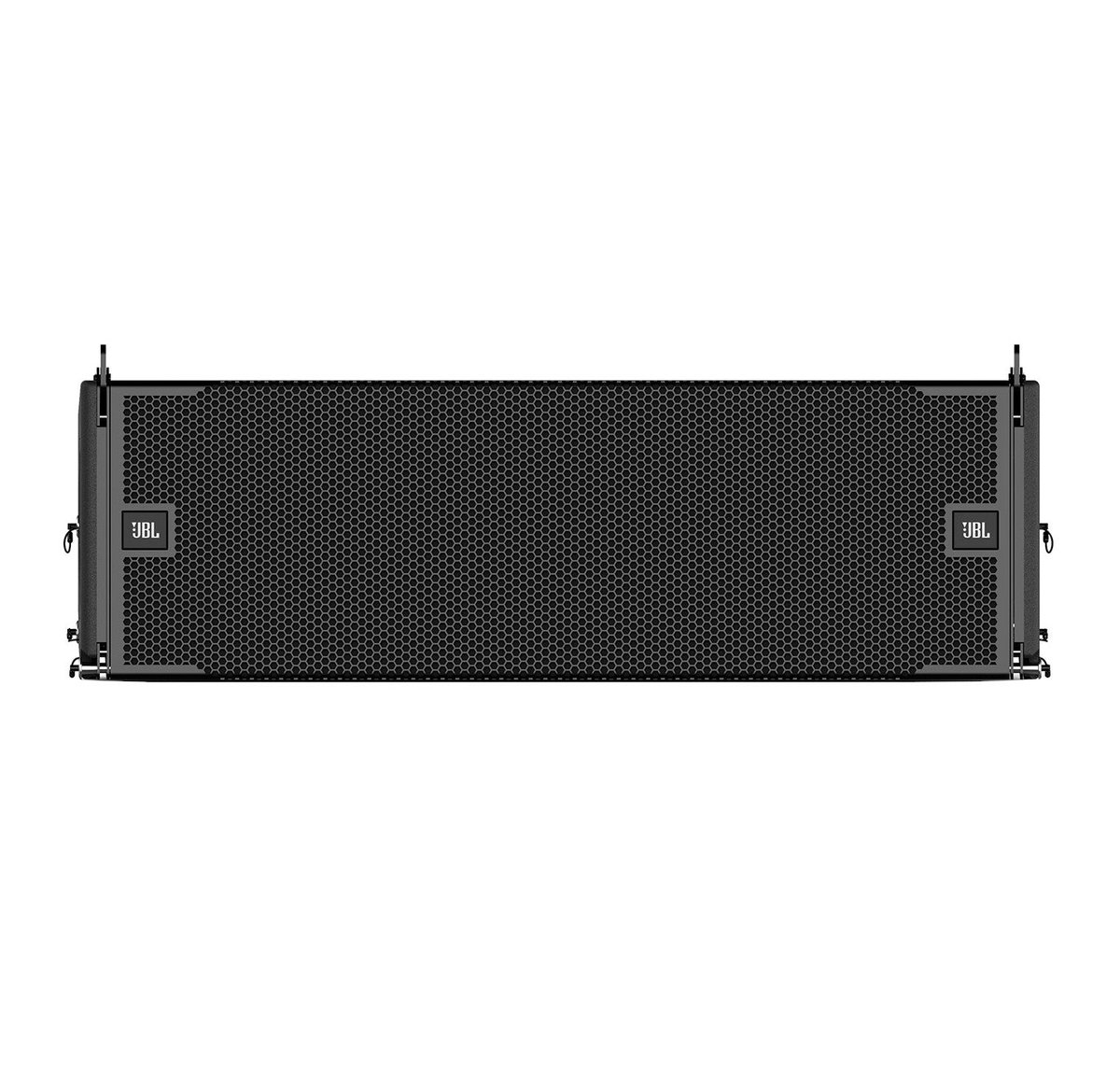
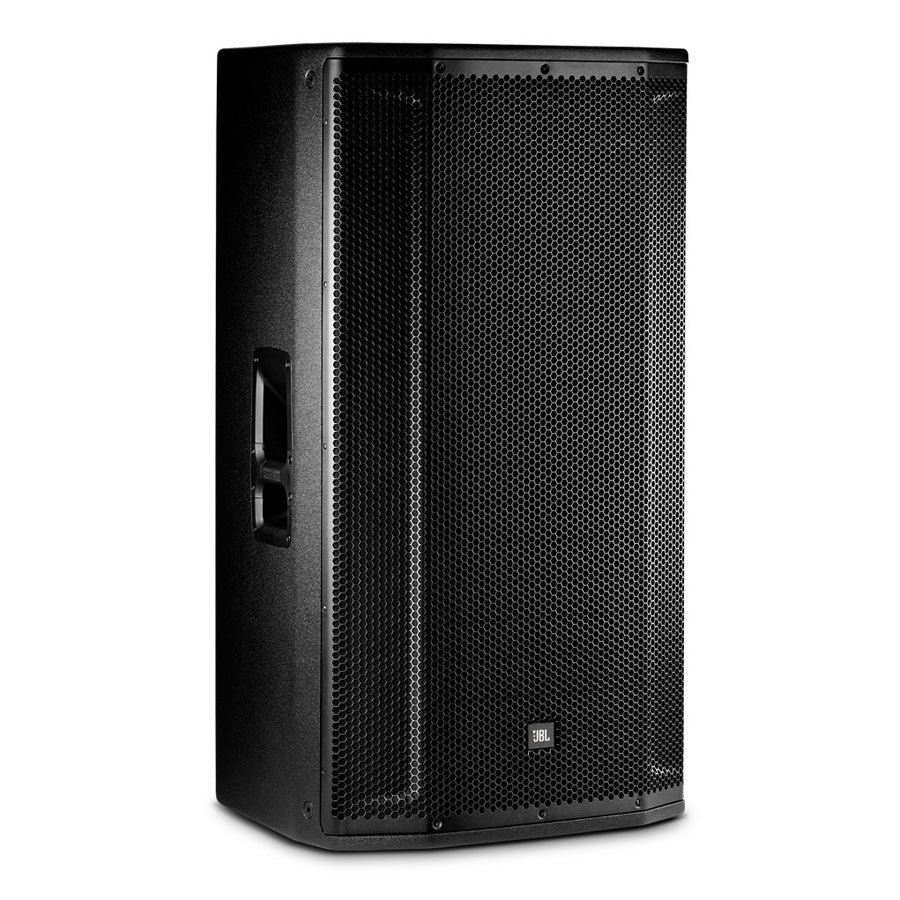
When you're shopping for a line array for sale, the real decision isn't just about SPL or weight—it's about which brand and model will keep earning after the honeymoon. Rental firms, integrators, and engineers across the CIS, Middle East, South America, and Africa face the same question: do you invest in a rider-friendly flagship like the JBL VTX A12, or do you stretch your budget across more boxes of a workhorse like the JBL SRX835P? The answer depends on how you plan to service, resell, and deploy the system in your market.
Start with service access, because a dead box in a remote warehouse is a paperweight. The JBL VTX A12 is a current touring standard, but its complex internal DSP and proprietary drivers mean you'll want a service partner who stocks spare boards and has factory training. In contrast, the JBL SRX835P is a powered point-source box that many rental houses use as a fill or small-array solution; its amplifier module is easier to swap, and third-party repair shops in Dubai or São Paulo are more likely to have experience with it. Before you commit, ask the seller for a service history and confirm that schematics or board-level spares are available in your region. A common buyer question on r/livesound is: "How do I check a used line array before buying?" The practical answer: request a sweep test with pink noise, check each driver for rub or distortion, and verify that the rigging hardware has no cracks or elongated holes.
Resale value and rider acceptance often go hand in hand. The JBL VTX A12 holds value well because it appears on many international riders, but that also means the used market is competitive—expect to pay around 60–70% of new street price for boxes in good condition with recent service. The JBL SRX835P, while not a true line array element, is a popular powered speaker that riders rarely specify but rental clients often accept for smaller events; its resale is stable but lower per box. If your market is heavy on corporate AV and weddings, the SRX835P may deliver faster ROI. If you're chasing touring and festival work, the VTX A12 is the safer rider bet, but only if you can support it.
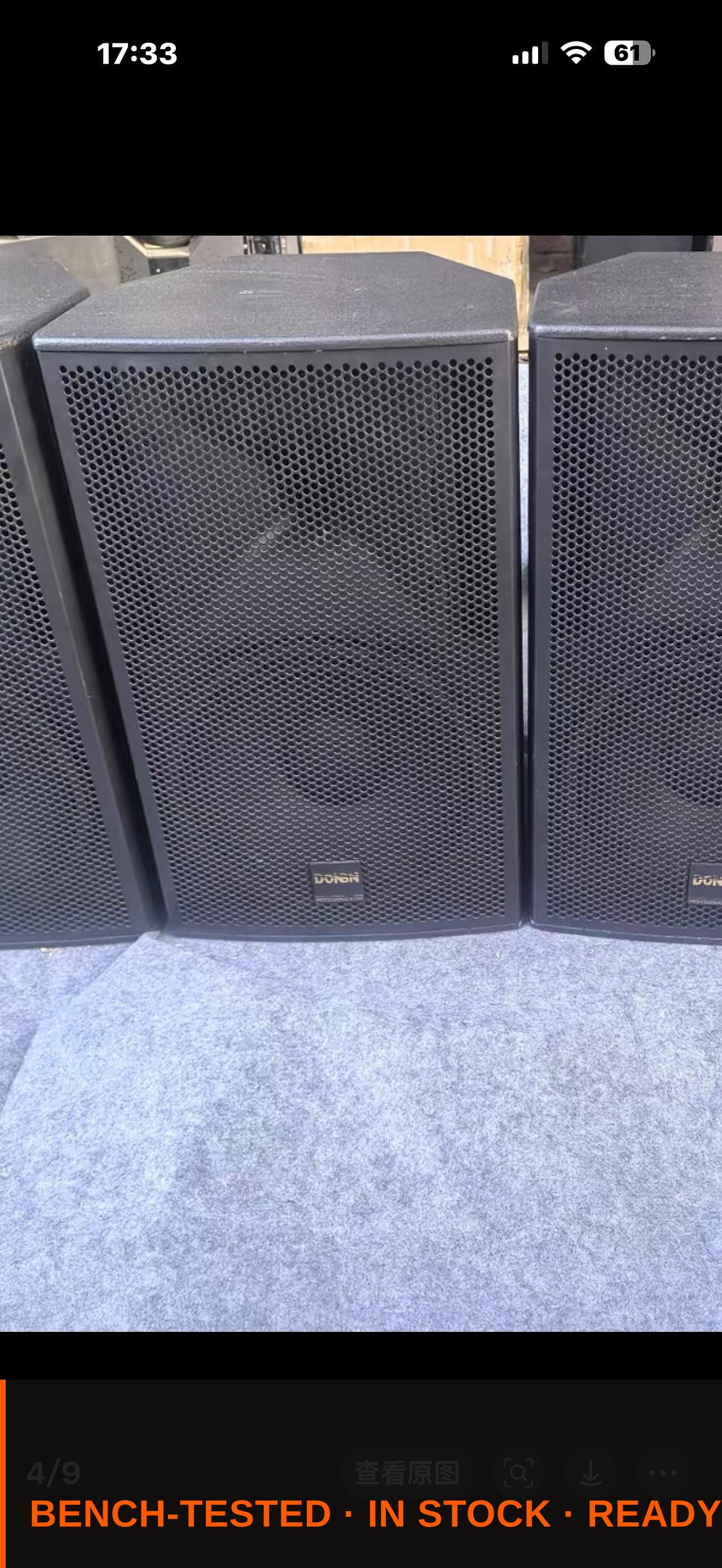
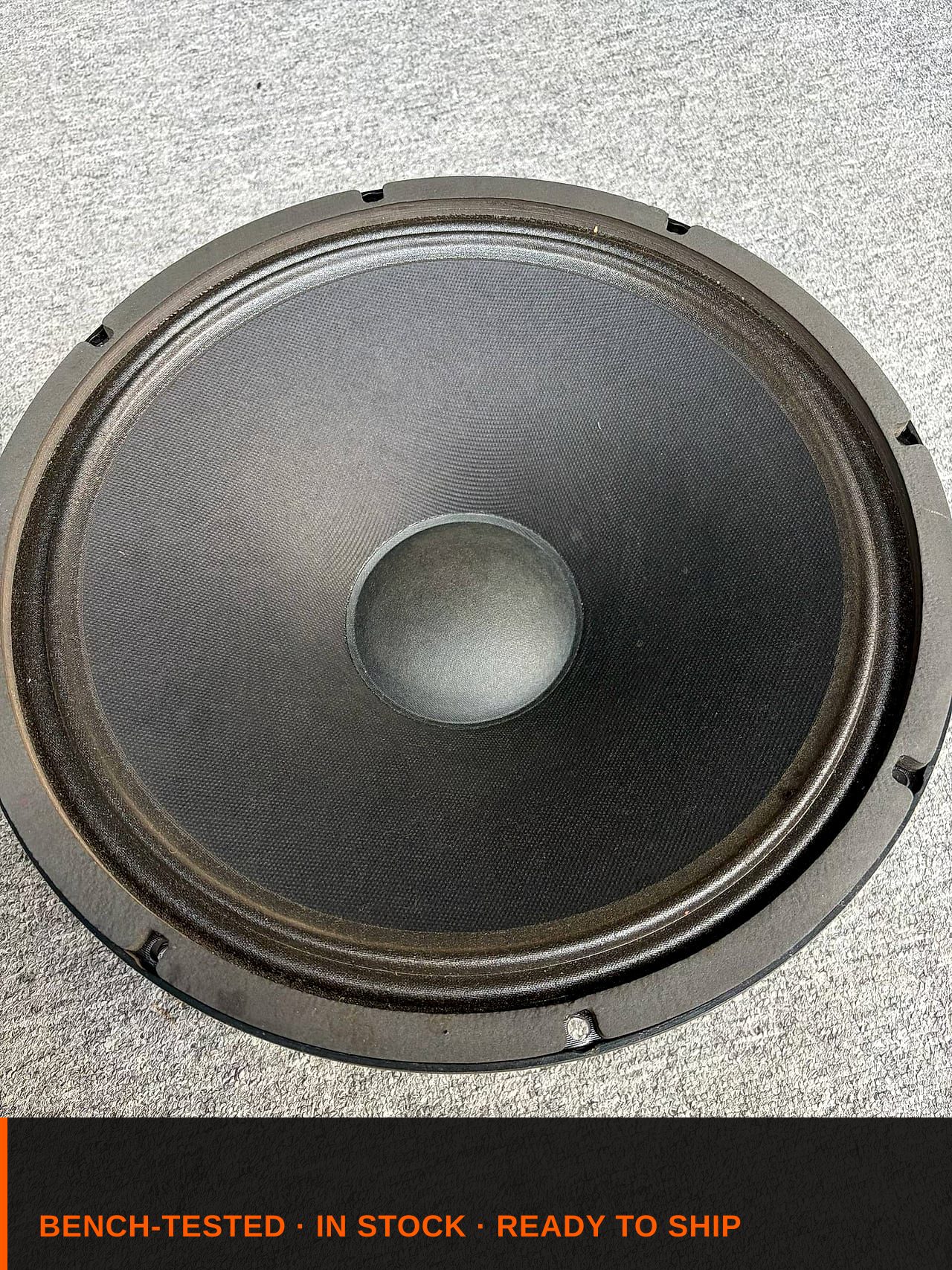
Don't overlook lesser-known models that can fill gaps without breaking the bank. The DONBN DW-12 is a 12-inch two-way box that some integrators use for delay fills or small arrays; its lower price point makes it attractive for rental fleets that need volume, but parts availability can be spotty, so buy only if you can source drivers locally. The Eminence 151351D is a replacement woofer, not a full system, but it's relevant here because many older line array boxes use Eminence-loaded drivers—if you're considering a used system with Eminence components, check that recone kits are still available. The Bose Panaray LT 9400 is a different animal: a modular column speaker often used in houses of worship and conference rooms. It's not a rock line array, but for installed AV it offers predictable coverage and easy service access. Each of these has a niche, and the smart buyer matches the model to the jobs they actually win.
Industry context matters more than ever in 2026. Rental demand for mid-sized line arrays is strong in the Middle East and parts of Africa, where outdoor events and festivals are growing, but import duties and voltage differences can kill a deal. For example, shipping a full line array from Europe to Nigeria might cost $3,000–$5,000 in freight alone, plus 20–35% duty depending on the country. Always confirm that the gear is switchable between 220–240V and 110–120V, and ask for CE or UL documentation if you plan to cross borders. A frequent question on LinkedIn AV procurement groups is: "Is a used line array still worth it in 2026?" The answer is yes—if you buy a model with proven rider acceptance and local service support. Avoid orphan brands with no regional distributor.
Finally, test before you pay, and get the paperwork right. For any used line array for sale, insist on a video call where the seller plays test tones through each box and shows the rigging points. Ask for impedance readings and check for consistent SPL across boxes. If you're buying the JBL VTX A12, request the DSP firmware version and confirm it matches your other boxes. For the JBL SRX835P, test the amplifier module for noise and check the fan. And always clarify warranty terms—most used gear sells as-is, but reputable dealers offer 30–90 days on functional defects. In the CIS, for instance, a 30-day warranty from a dealer is common and worth paying a small premium for.
The takeaway: choose your line array by the service network and rider acceptance in your region, not just by the spec sheet. A JBL VTX A12 with local spares beats a cheaper unknown brand every time, and a JBL SRX835P can be a smart cash-flow tool for smaller gigs. Match the model to your market, test thoroughly, and budget for import costs before you click buy.