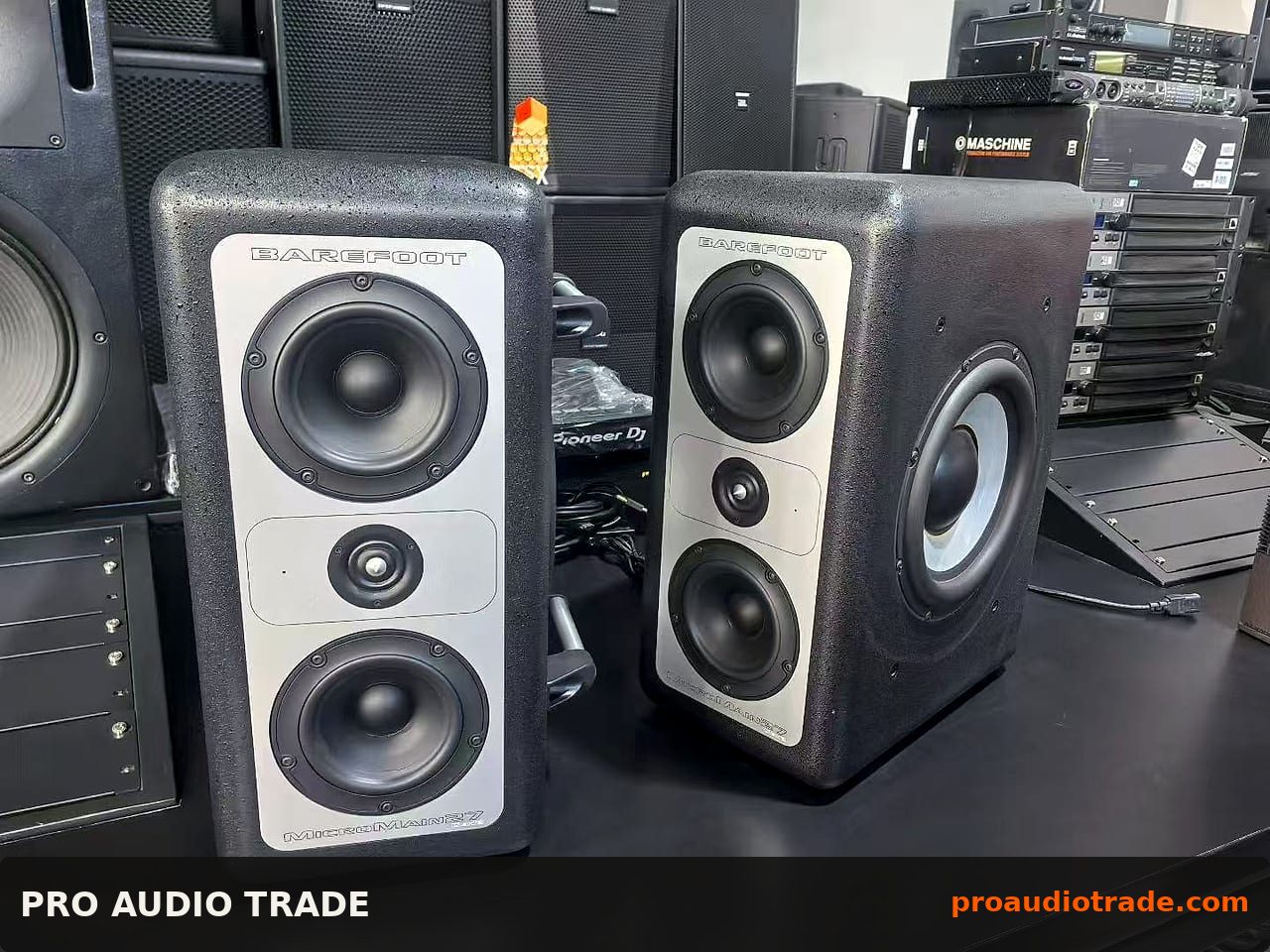
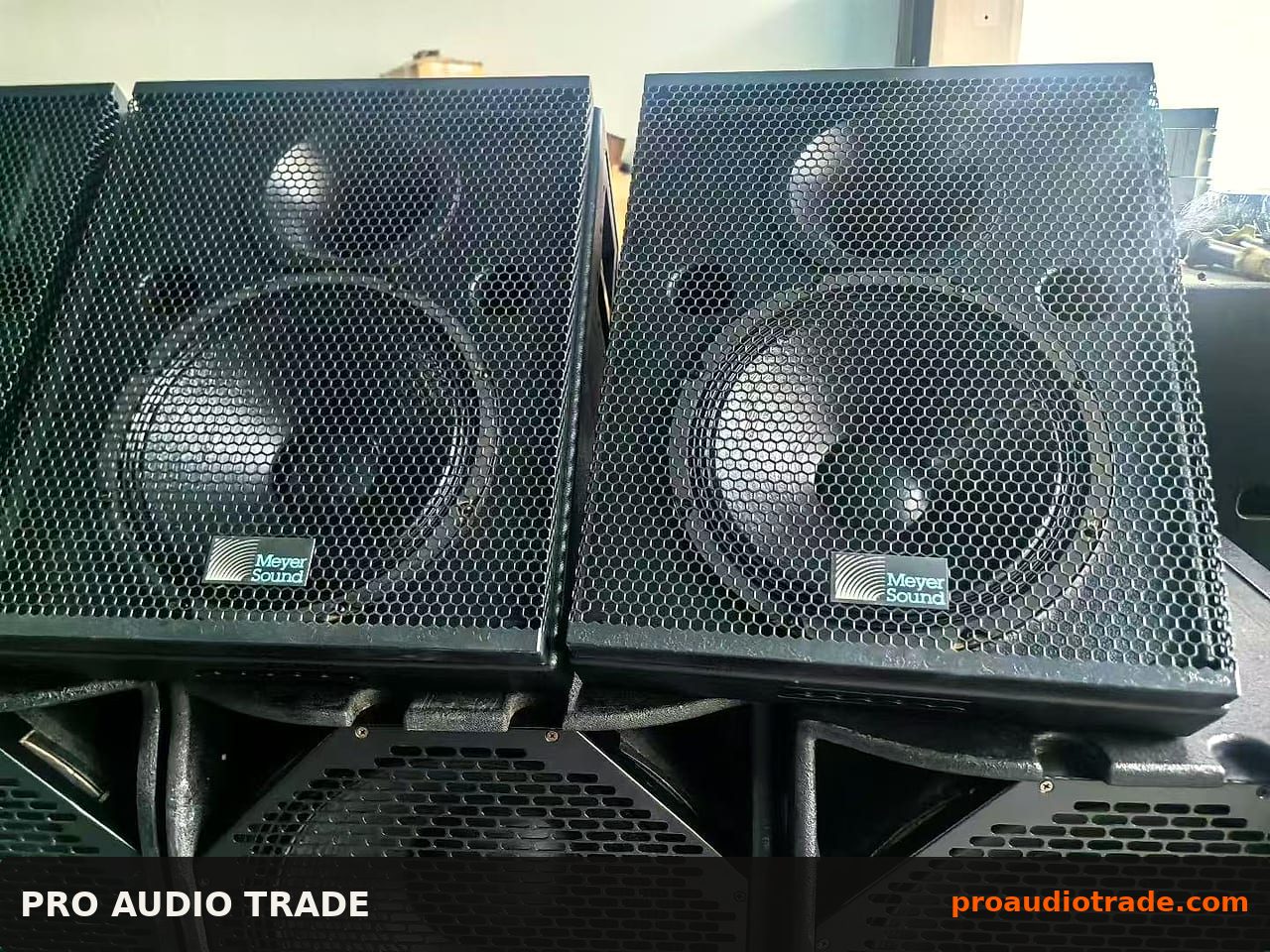
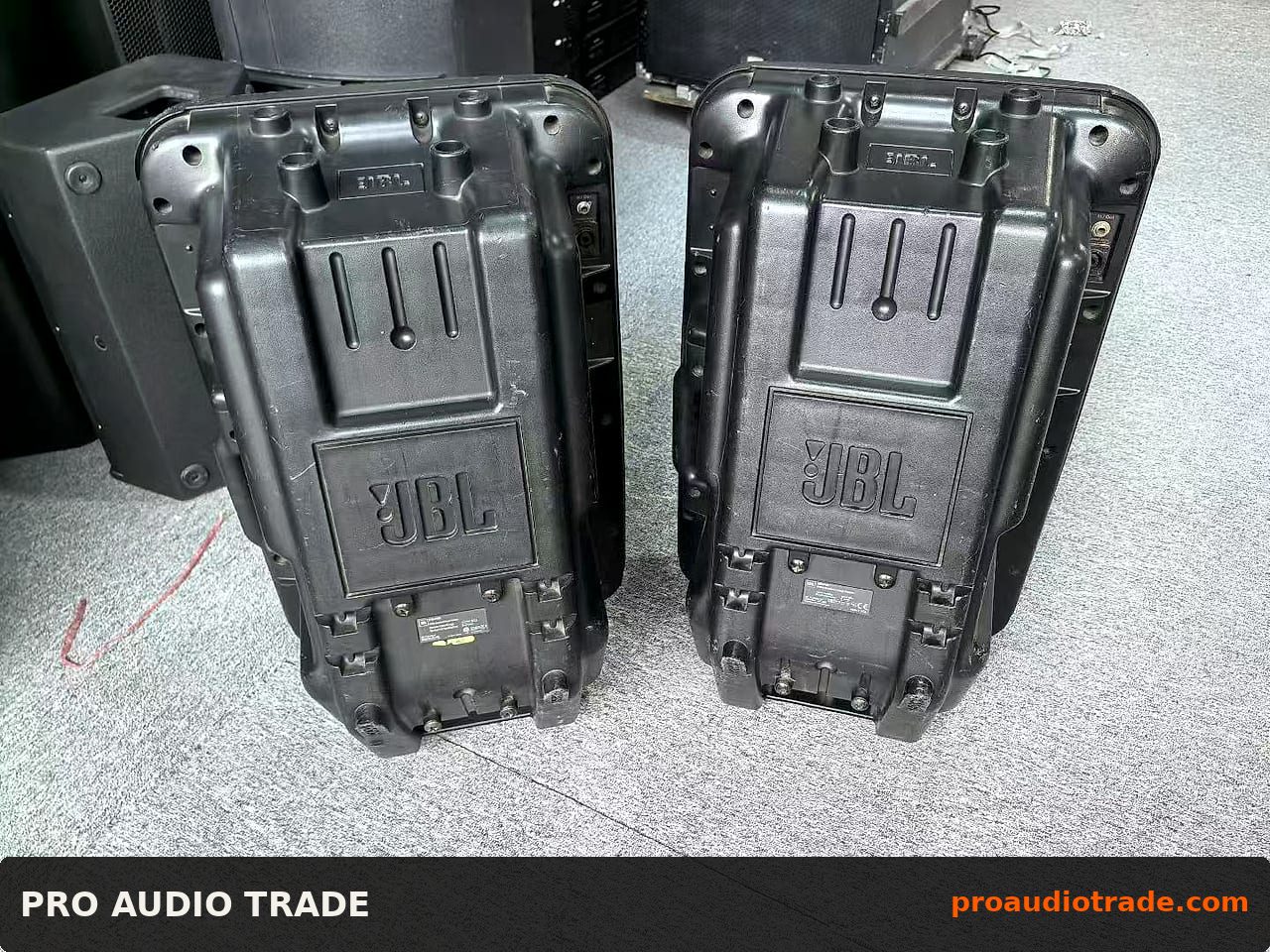
When you're sourcing a used Korg CLUB 60/A or weighing it against alternatives like the JBL VTX A12 or JBL SRX835P, the deal often hinges less on the spec sheet and more on what it costs to get the box from the seller's dock to your warehouse. This comparison looks at the Korg CLUB 60/A versus alternatives through the lens of freight, customs and import paperwork across the CIS, Middle East, South America, Africa and the EU — because a cheap speaker that arrives with a surprise duty bill or a missing certificate is no bargain.
Start with packing and freight reality. The Korg CLUB 60/A is a compact full-range speaker, so it ships well on pallets or in double-wall cartons, but used units often arrive with scuffed corners and tired grilles that need extra foam and corner protection. For larger alternatives such as the JBL VTX A12, you're into flight-case or crate territory: expect volumetric weight to dominate the freight quote, and budget roughly $180–$350 per unit for air freight from Europe to the Gulf, or $90–$160 per unit by sea LCL. Ask the seller for photos of the actual packing, not just the product. A common buyer question on r/livesound is: "How do I check a used speaker before buying?" The honest answer starts with packing — if the seller can't show you how they'll crate it, assume damage risk is on you.
Customs classification and duty rates are where the Korg CLUB 60/A vs alternatives comparison really splits. Most used loudspeakers land under HS 8518.22 or 8518.29, but the rate you pay depends on the destination. In the EU, used professional audio typically attracts import VAT of 19–21% plus a low or zero duty, while GCC countries often apply a flat 5% duty and Brazil can hit 16–20% plus state ICMS. The Korg CLUB 60/A, being a smaller box, usually clears faster and with lower brokerage fees than a pallet of JBL SRX835P units, simply because the declared value and volume are lower. Get a binding tariff ruling if you're importing more than a handful of units — it saves arguments at the border.
Documentation is the part buyers underestimate. For used gear you need a commercial invoice that states condition (used), serial numbers, country of origin and a realistic value — customs will challenge a $50 invoice for a working Korg CLUB 60/A. Add a packing list, bill of lading or airway bill, and a certificate of origin where the destination requires it. For the EU, CE marking and a declaration of conformity matter even for used equipment; for the Middle East, some countries ask for a conformity certificate (e.g., SASO in Saudi Arabia). If you're comparing alternatives, note that the JBL VTX A12 often comes with original documentation that speeds clearance, while older or unbranded boxes may need extra paperwork. A buyer on LinkedIn AV procurement groups recently asked: "Is a used line array still worth it in 2026?" The answer depends on whether the seller can supply the paperwork — without it, the landed cost climbs fast.
Voltage and service reality also shape the comparison. The Korg CLUB 60/A is typically a 100–240V switchmode design, which makes it friendly for CIS and Middle East mains, but check the label on the actual unit — older revisions may be fixed-voltage. Alternatives like the JBL SRX835P are also multi-voltage, but service networks differ: JBL has broad dealer support in the Gulf and South America, while Korg's pro-audio service is thinner in Africa. If you're buying used, ask about spare parts availability and whether the seller can supply a service history. A recone or replacement driver for a JBL VTX A12 can run $300–$600, so factor that into your offer.
Finally, build a landed-cost sheet before you commit. Add freight, insurance (typically 0.5–1% of cargo value), duty, VAT, brokerage and inland delivery. For a single used Korg CLUB 60/A shipped from the EU to the UAE, expect total landed cost to be roughly 25–35% above the purchase price; for a pallet of larger alternatives, the percentage can be similar but the absolute number is much higher. If you're comparing Korg CLUB 60/A vs alternatives, the winning choice is often the one with the cleanest paperwork and the most predictable freight, not the lowest sticker price.
The practical takeaway: request packing photos, a commercial invoice template, and the unit's voltage label before you pay. Then run the landed-cost math for your specific destination — that's the only comparison that matters.