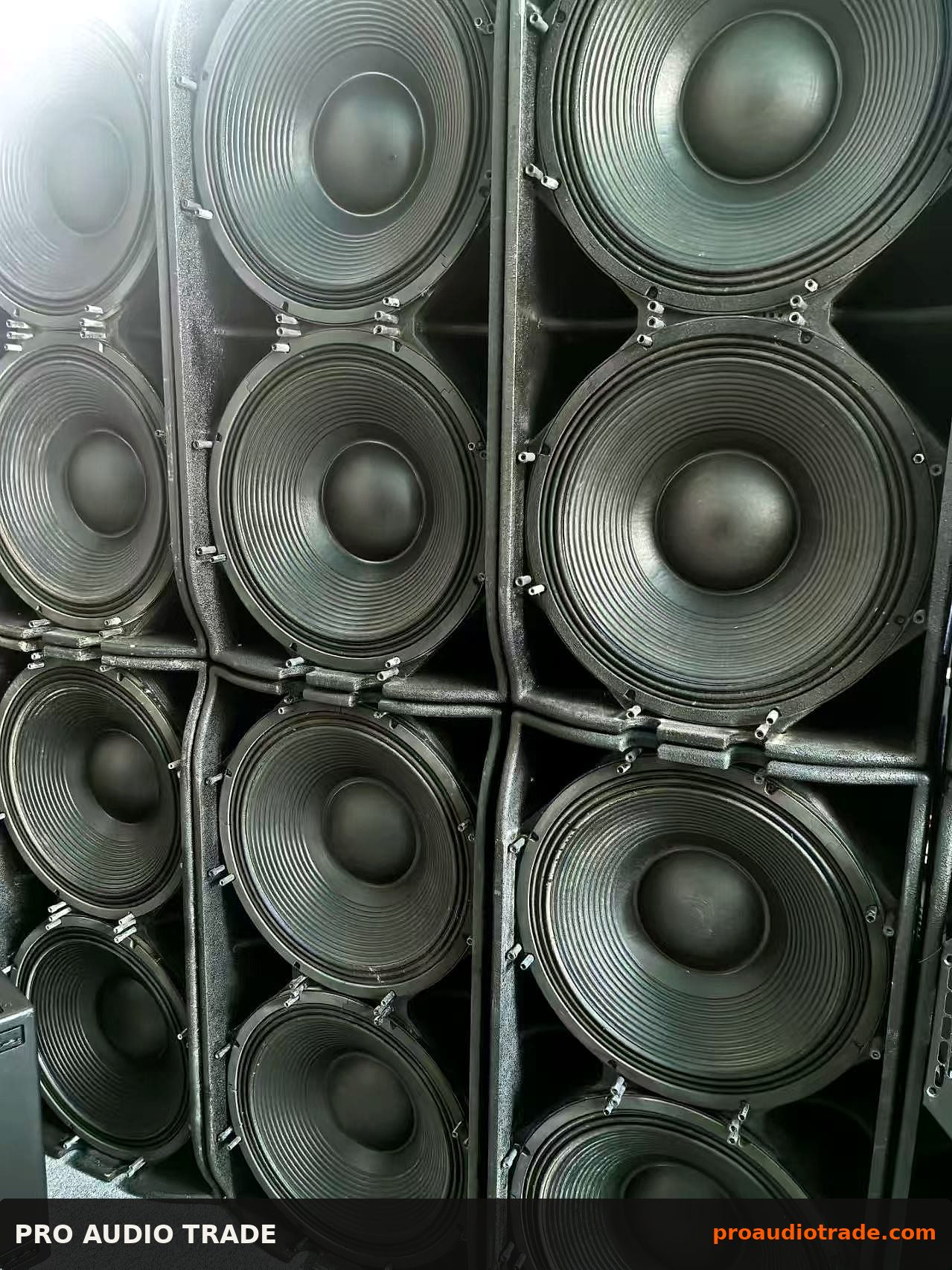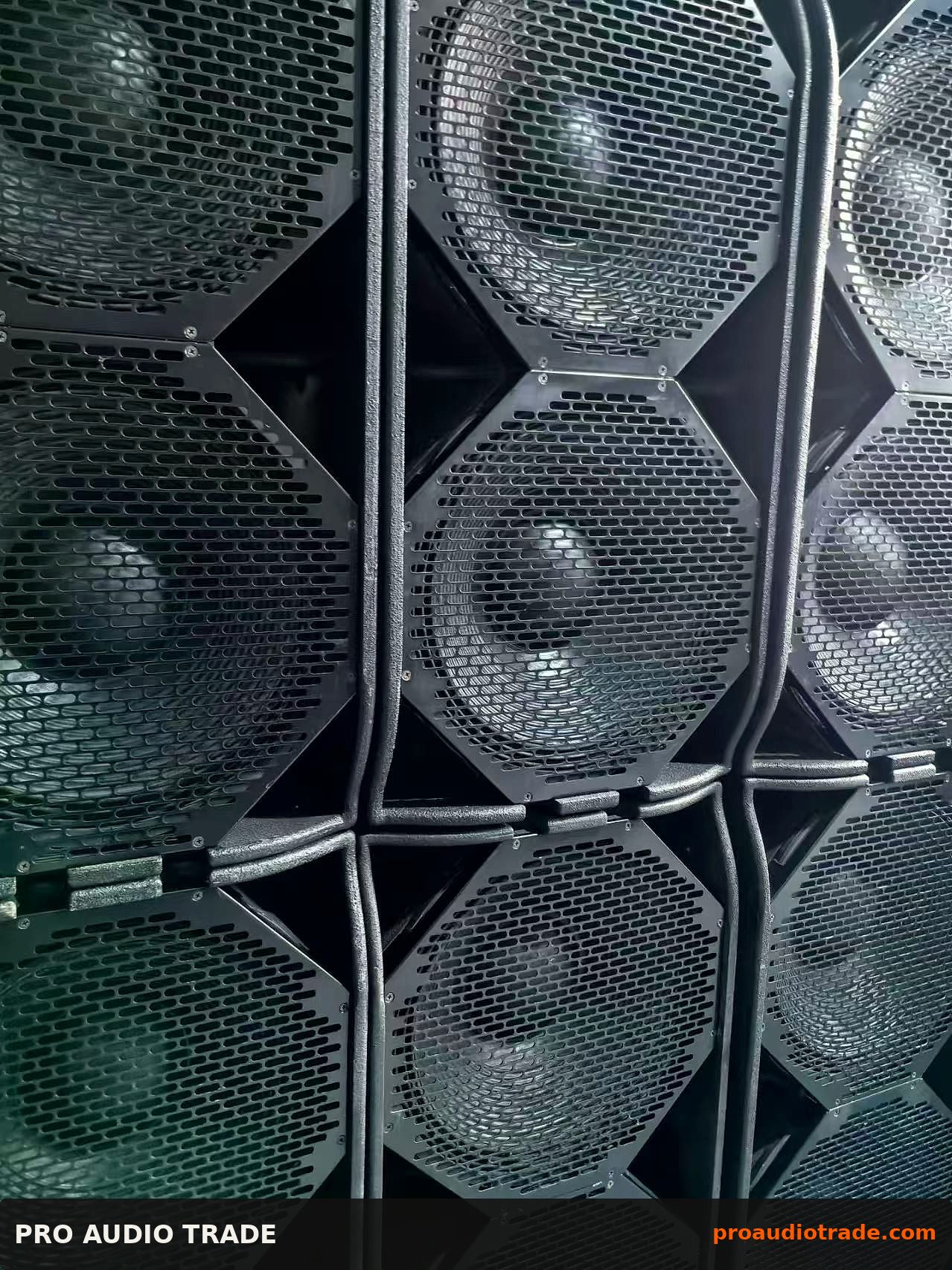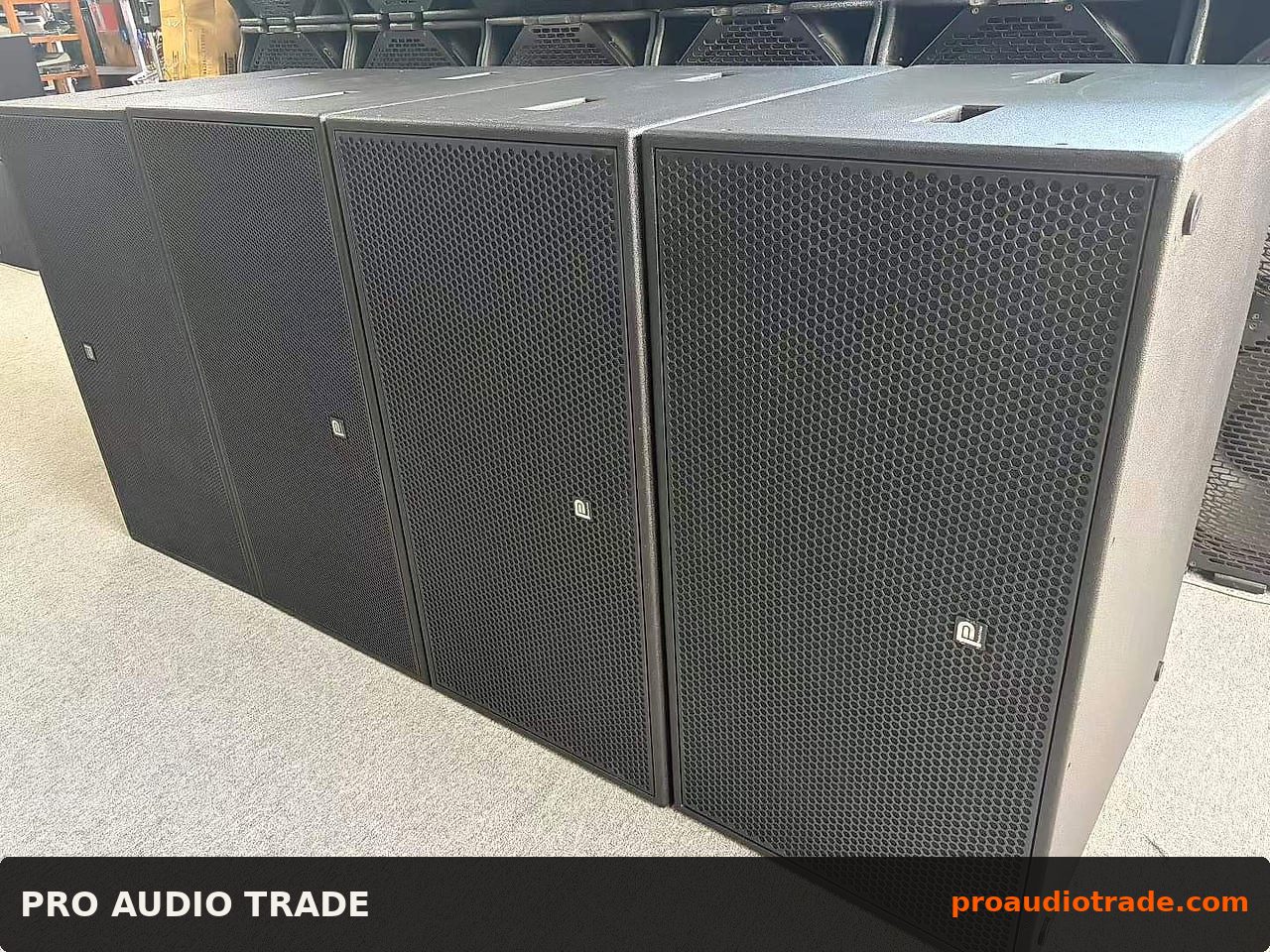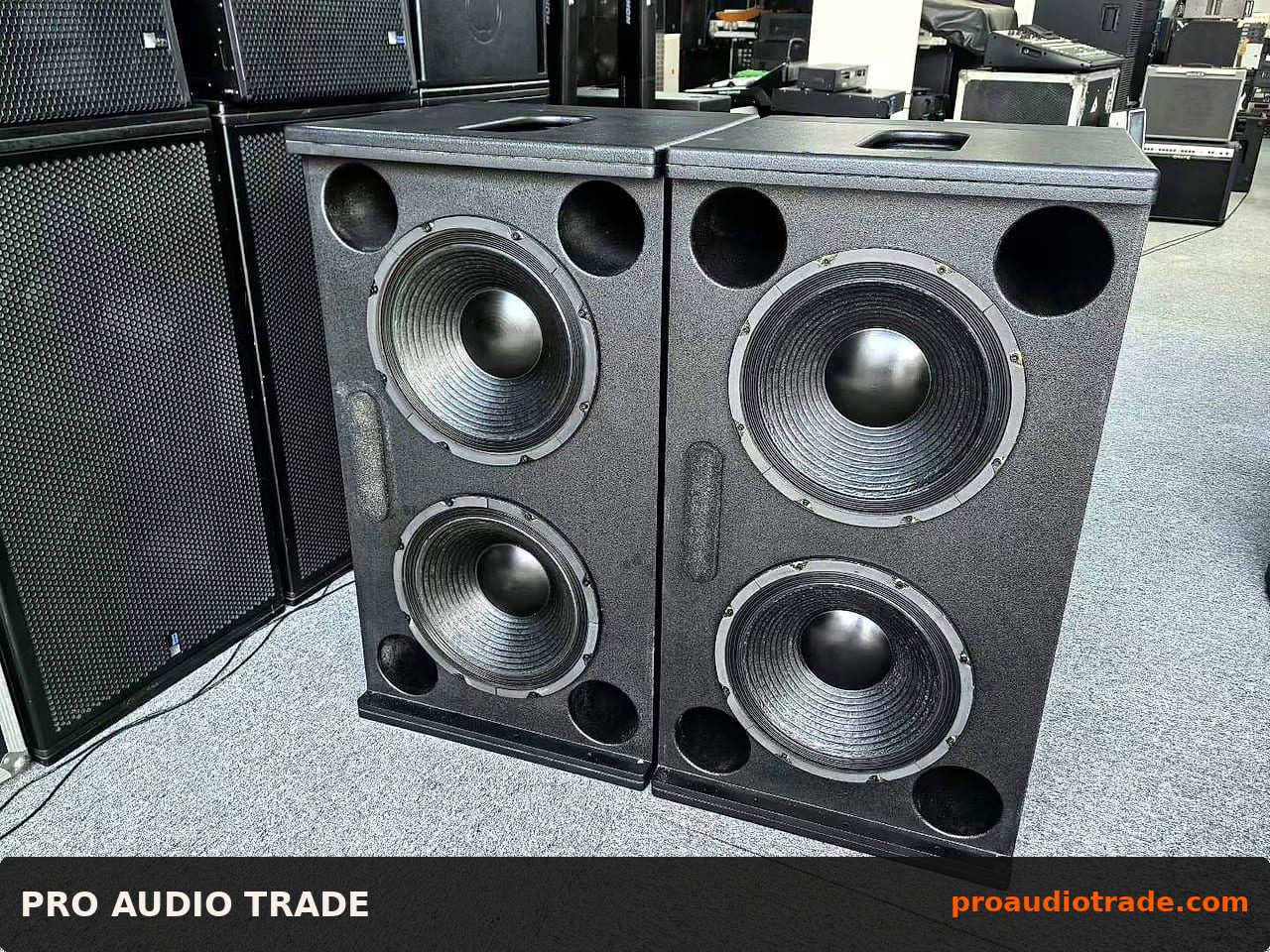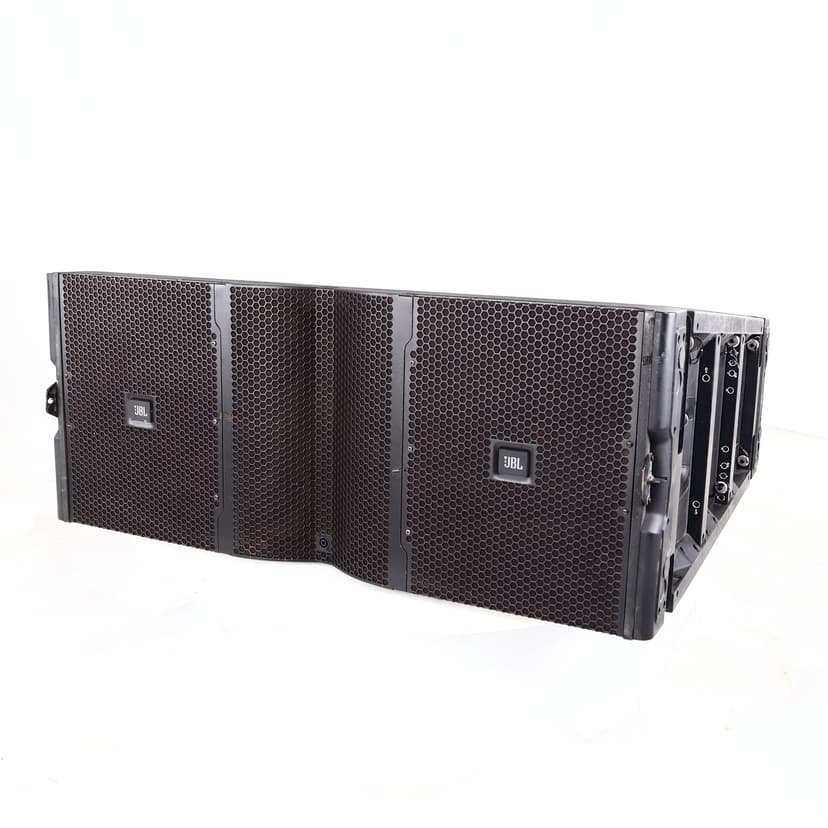
The JBL VTX S28 is a dual-18-inch cardioid subwoofer that has become a staple in rental inventories and fixed installations across the CIS, Middle East, South America, and Africa. For B2B buyers sourcing used professional audio gear, the question is rarely whether the S28 is good—it is—but whether it is the right used purchase compared to other options on the secondary market. This comparison breaks down where the S28 fits, what to inspect on a used unit, how it stacks up against alternatives like the VTX B28, VTX G28, and competing subs from other brands, and what a realistic total cost of ownership looks like when you factor in freight, testing, and potential re-coning.
Where the JBL VTX S28 fits in a rental or venue inventory
The S28 is designed as a cardioid subwoofer for the VTX A-series line arrays, but it is equally at home in ground-stacked configurations for corporate events, houses of worship, and mid-size clubs. Its dual 18-inch drivers in a front-loaded, cardioid-capable enclosure deliver high output with controlled low-frequency directivity—a critical advantage in venues with stage rear walls or noise restrictions. For rental firms, the S28 is a workhorse: it flies with VTX A12 or A8 arrays, grounds with A15, and integrates with Crown I-Tech or VTX A-series amplifiers via presets. In integration work, the S28 is often specified for its predictable cardioid pattern, which reduces rear-wall energy and keeps stage bleed manageable. Compared to the VTX G28 (a dual-18 cardioid sub with a different tuning and form factor), the S28 offers a slightly different voicing and rigging compatibility. The B28 is the newer generation with updated transducers and network control, but used S28 units remain plentiful and cost-effective for budget-conscious buyers who do not need the latest DSP integration.
Key specs that matter for integration work
The S28 uses two 18-inch neodymium drivers with 4-inch voice coils, rated for 1600W continuous (AES) per driver, with a frequency response of 32 Hz to 200 Hz (-6 dB) and a maximum SPL of 139 dB. Nominal impedance is 8 ohms per driver, and the cabinet is a bass-reflex design with cardioid capability when deployed in arrays of three or more with the center cabinet reversed. Physical weight is around 105 kg, which matters for rigging and freight. For integration, the key spec is the preset compatibility: S28 works with Crown I-Tech 4x3500HD, 12000HD, and VTX A-series amps. Buyers should verify that the used unit includes the correct SpeakON or NL4 connectors and that the rigging hardware (fly bars, link plates) is present—these are often lost or damaged. Compared to alternatives, the S28's cardioid performance is its standout: it achieves 15-20 dB of rear rejection in the 40-100 Hz range when properly arrayed, which is comparable to the B28 but with older DSP presets. The G28 offers similar cardioid behavior but with a slightly different driver and a lower profile. If you are comparing to non-JBL alternatives like the L-Acoustics KS28 or d&b V-SUB, the S28 is generally more affordable on the used market but requires JBL-specific amplification and presets.
Used-buying checklist: what to inspect and what to ask the seller
When evaluating a used S28, start with the drivers: check for cone tears, surround cracks, and voice coil rub. A rub can be detected by gently pushing the cone and listening for scraping—this is a common failure point after heavy touring. Inspect the cabinet for water damage, especially around the handle cups and rigging points, as moisture ingress can delaminate the plywood. Check the SpeakON connectors for corrosion and the internal wiring for signs of re-soldering. Ask the seller for a sweep test video or impedance curve for each driver; a healthy S28 should show a smooth impedance curve with a minimum around 6-7 ohms per driver. Request photos of the rigging hardware and confirm that the fly bar and link plates are included. Ask about the unit's history: was it used in a fixed install or on tour? Touring units may have more cosmetic wear but are often better maintained. Finally, ask for the serial number to verify the model year and check for any known service bulletins. For B2B orders, request a grade report (A, B, or C) and confirm that the unit has been bench-tested at high SPL for at least 30 minutes.
Price context and total cost of ownership
On the used market, a single JBL VTX S28 typically ranges from $2,800 to $4,500 depending on condition, age, and included hardware. Compare this to a new B28 at $6,000-$7,500 or a used G28 at $2,500-$3,800. The S28's total cost of ownership includes amplifier presets (often free with Crown amps), potential re-coning ($400-$600 per driver if needed), and freight. For B2B buyers in the CIS, Middle East, South America, and Africa, freight is a major factor: a single S28 palletized can cost $300-$800 depending on destination and mode. MOQ for used stock is often one unit, but some sellers offer discounts for pairs or four-packs. When comparing alternatives, factor in the cost of amplification: the S28 requires Crown I-Tech or VTX amps, which may be an additional $1,500-$3,000 per unit if you do not already own them. Non-JBL alternatives like the L-Acoustics KS28 may have lower used prices but require LA4X or LA12X amps, which are more expensive. The S28's advantage is its widespread availability and the ubiquity of JBL presets, which reduces integration risk.
How a B2B order works: grade, freight, MOQ
A typical B2B order for used S28 units starts with a grade confirmation: Grade A units are fully tested, cosmetically excellent, and include all hardware; Grade B may have minor scuffs but are functionally sound; Grade C units are sold as-is or for parts. Request a test report that includes impedance, sweep, and SPL verification. Freight is usually arranged by the buyer or through the seller's logistics partner; for international shipments, confirm that the units are palletized and crated, and ask for dimensions and weight (each S28 is roughly 105 kg and 1.2 m x 0.8 m x 0.7 m). MOQ is typically one unit, but for container shipments, sellers may require a minimum of four units to optimize freight. Payment terms vary: some sellers accept letters of credit for large orders, while smaller orders are prepaid. Always confirm the Incoterms (FOB, CIF, or DAP) and ask for photos of the actual units before shipment. For buyers in regions with limited service support, ask if the seller offers a warranty or return policy—many used-gear sellers offer a 30-day functional guarantee.
In summary, the used JBL VTX S28 remains a strong choice for rental and integration buyers who need proven cardioid subwoofer performance without the premium of the latest generation. Compared to the B28 and G28, it offers a balance of availability, price, and preset compatibility. The key is to buy tested stock with a clear grade and to factor in amplification and freight costs. For B2B buyers in emerging markets, the S28's ubiquity and JBL's global preset ecosystem make it a lower-risk used purchase than niche alternatives.