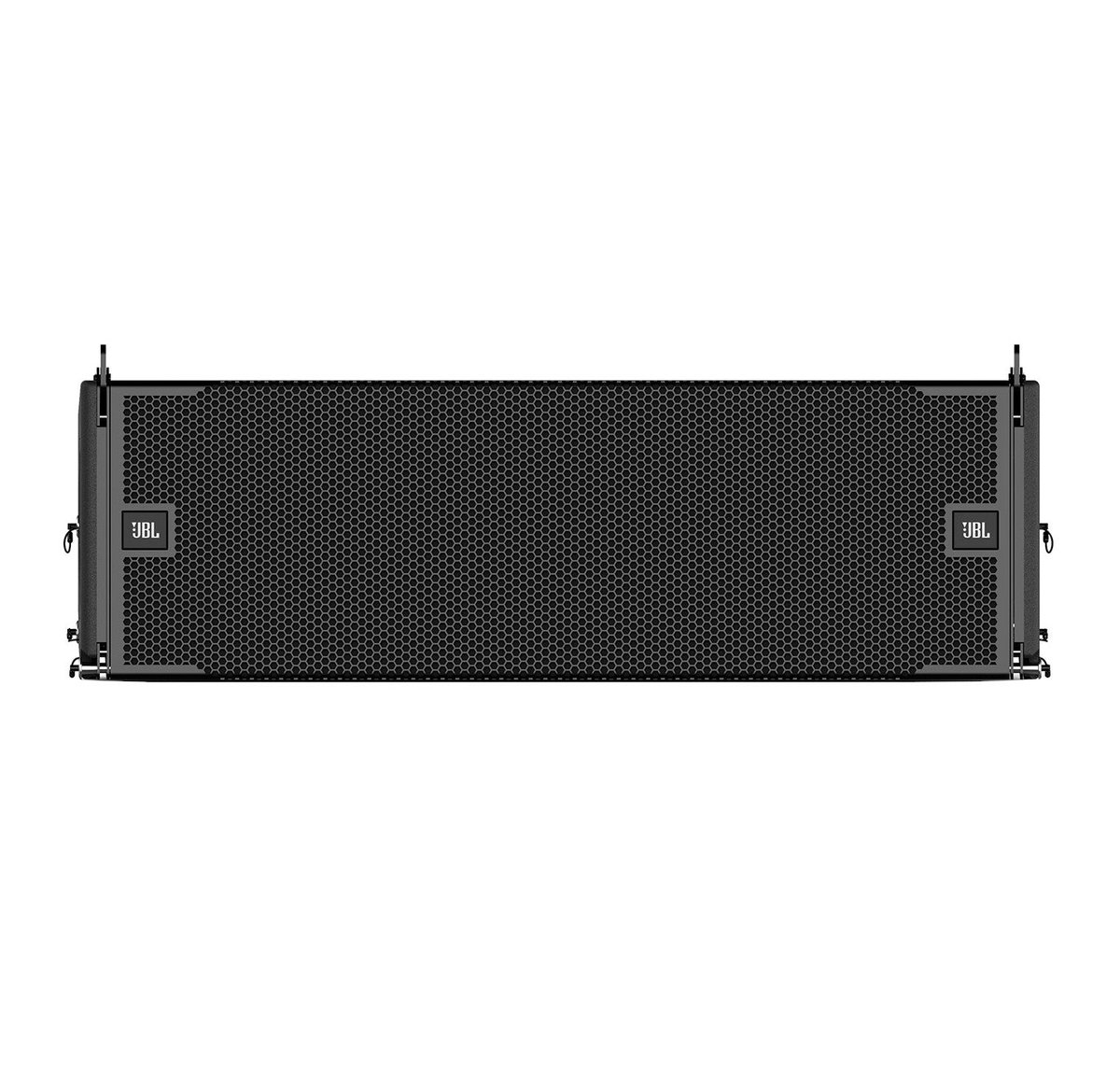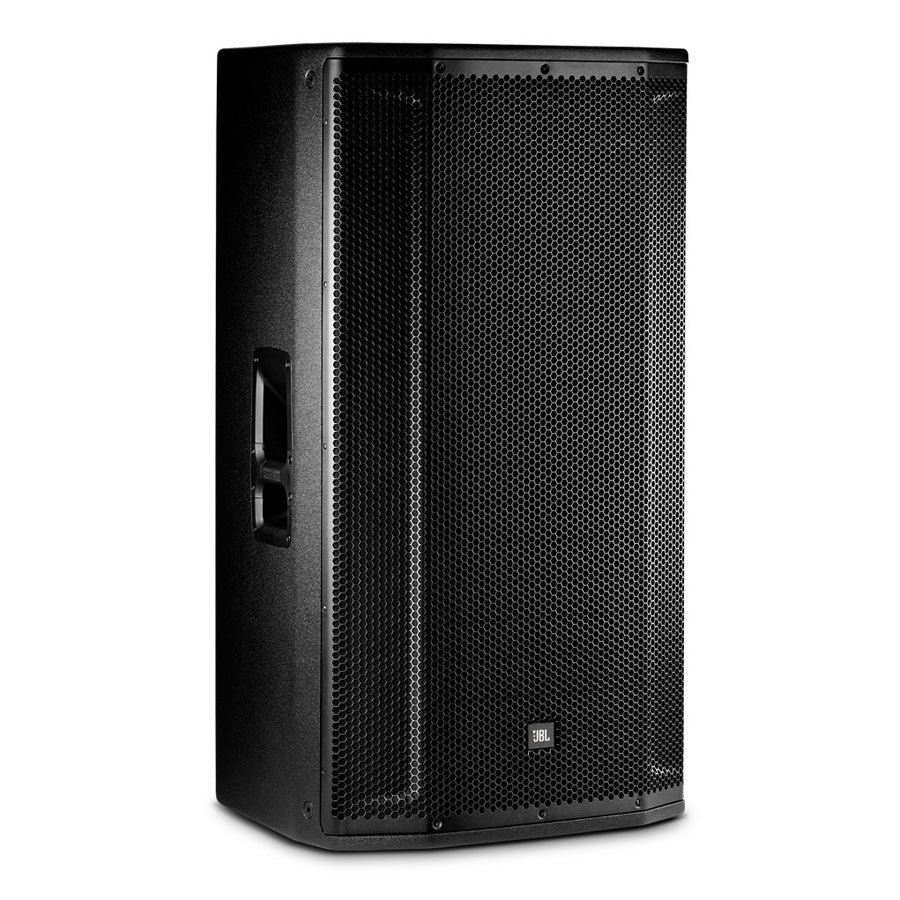
The JBL VTX series has become a staple in professional touring and installation inventories, and the used market offers significant savings for audio engineers, rental companies, and integrators across the CIS, Middle East, South America, and Africa. Whether you are looking to add VTX A12 line array elements, VTX B28 subwoofers, or VTX F35 fill speakers to your rental stock, understanding the generational differences and typical wear points is essential. This guide walks you through the key models, inspection priorities, and negotiation tactics to help you buy with confidence.
When comparing used VTX offerings, start with the model hierarchy: VTX A12 (dual 12-inch, 3-way line array) sits at the top for large-scale touring, followed by VTX A8 (dual 8-inch) for mid-size venues, and VTX B28 (dual 18-inch subwoofer) for low-end extension. The older VTX V20 and V25 models remain popular for budget-conscious rentals but use different rigging and amplification (Crown VRack) than the newer A-series with I-Tech 4x3500HD. For fixed installations, VTX F35 (3-way, 15-inch) and F18 subwoofers are common. Always verify that the seller includes the correct flying hardware and that the serial numbers match across components—mismatched rigging frames are a red flag.
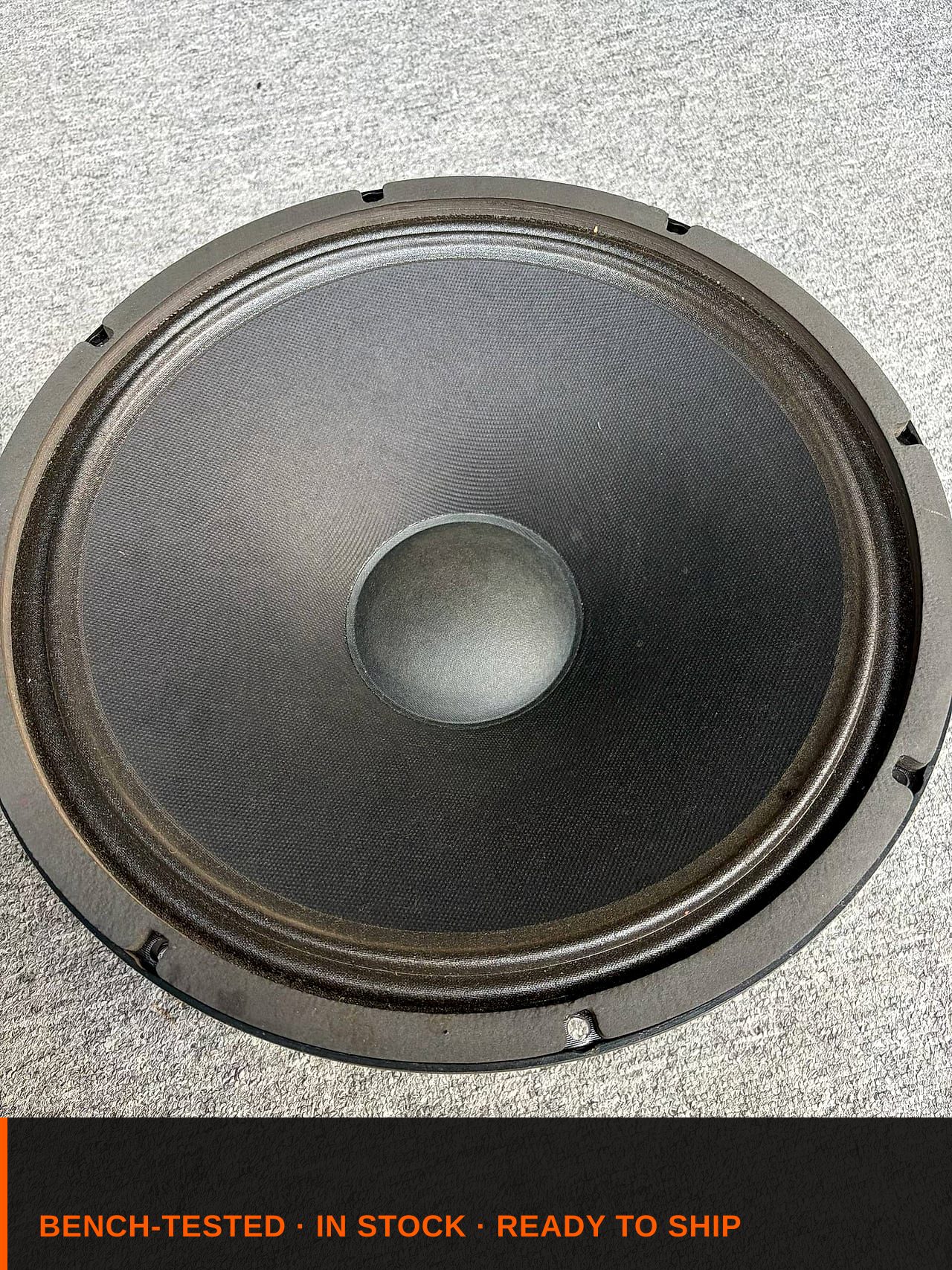
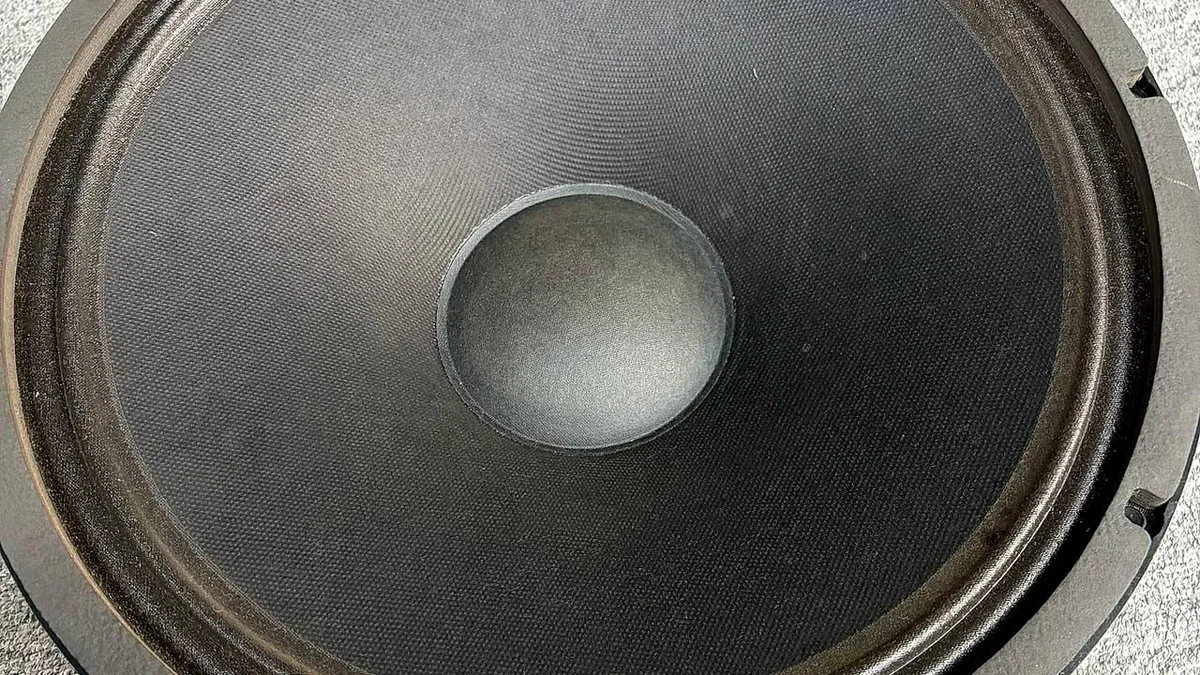
Inspection should focus on the drivers, rigging, and electronics. Check each woofer and compression driver for voice coil rub (gently push the cone—any scraping noise means recone needed). Inspect the rigging pins, quick-release handles, and angle adjustment plates for bending or excessive wear; replacement parts for older V-series can be hard to source. For powered models, test the onboard amplification and DSP by running a sweep and checking for error codes. Cabinets should be free of deep gouges, water damage, and poorly repaired cracks—especially important for units used in humid climates. Ask for impedance and frequency response measurements if available, and always request a video call to see the gear powered up.
Before committing, factor in the cost of reconing (typically 30–40% of driver cost), rigging recertification, and potential amplifier servicing. Negotiate based on these risks—sellers often price VTX gear high due to brand prestige, but a realistic offer accounts for wear. Request a 30-day warranty on drivers and electronics, and confirm that the seller provides original flight cases or acceptable substitutes. For international buyers, clarify shipping terms (DAP vs. DDP) and ensure voltage compatibility for powered units. With careful inspection and a clear checklist, the used VTX market can deliver professional-grade performance at a fraction of new prices.