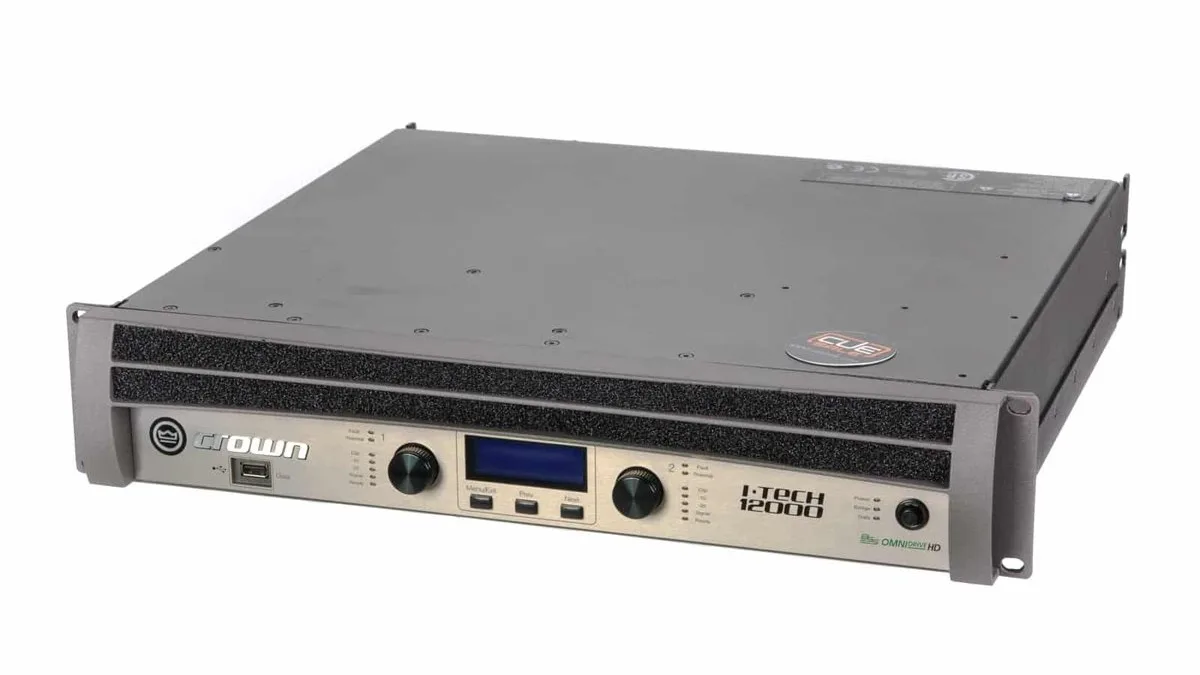
When sourcing a used power amplifier for professional audio, whether for a rental fleet, an integration project, or a studio rack, the stakes are higher than with consumer gear. A failed amp can take down an entire event or installation, and replacement parts for older models may be scarce in your region. This guide walks you through a systematic inspection process that works for common pro-audio amps such as Crown, QSC, Lab.gruppen, Powersoft, and Behringer, helping you separate a solid workhorse from a money pit before you commit.
Start with the key specifications and a fixed comparison order. First, verify the rated output power per channel at the stated load (e.g., 500 W at 8 ohms, 800 W at 4 ohms) and confirm it matches the seller's claim and your needs. Second, check the amplifier class (Class AB, Class D, Class H) and its efficiency, as this affects heat and power draw. Third, review the input sensitivity and gain structure to ensure compatibility with your mixers and processors. Fourth, examine the protection circuitry (thermal, short-circuit, DC, clip limiting) and cooling design (fan type, airflow). Finally, compare weight and rack size, especially for rental firms where transport costs matter. Always rank these in the same order for every candidate amp so you can compare apples to apples.
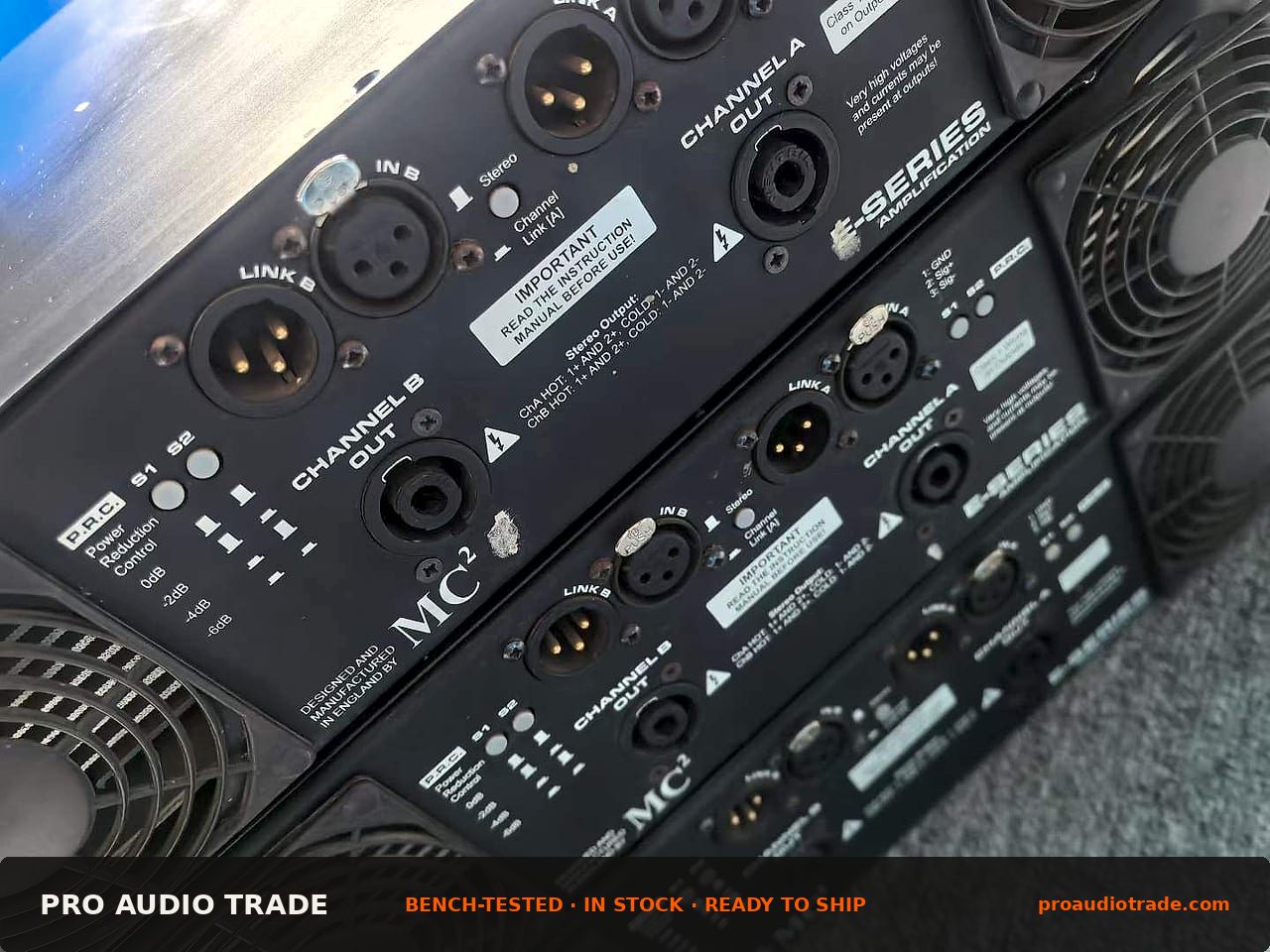
What to inspect physically and electrically: begin with the chassis for dents, bent rack ears, or evidence of drops. Remove the top cover if permitted and look for bulging or leaking capacitors, burn marks, cracked solder joints, and dust buildup on heatsinks. Check that all fans spin freely and that the power supply toroidal transformer (or SMPS module) shows no signs of overheating. Test each channel independently with a known-good speaker or dummy load, starting at low volume and gradually increasing; listen for distortion, hum, or crackling. Use a multimeter to check DC offset at the outputs (should be near zero) and verify that protection LEDs behave normally during power-up. If possible, run the amp for 15–20 minutes at moderate load to see if it thermally shuts down or produces intermittent faults. Also inspect the input and output connectors (XLR, speakON, binding posts) for wear and tightness.
Next step: before finalizing, request a short video of the amp powering on and playing through each channel, and ask for the serial number to check its age and service history. If you are buying multiple units, insist on a bench test report or a return policy that covers dead-on-arrival and early failures. For cross-border purchases in the CIS, Middle East, South America, or Africa, confirm voltage compatibility (100–240 V or region-specific) and that the mains plug matches your local standard. Finally, factor in the cost of a recap or fan replacement for older amps, and compare that total against the price of a newer used model. A disciplined check now saves you from downtime and repair bills later.